Photo: trolvag·CC BY-SA 3.0· Wikimedia Commons
Islands / Asker / Mølen
Island at the outer edge of the Hurum peninsula, protected as a large nature reserve. Seabird colonies on the north, east and south sides, a seal colony, and warmth-loving broadleaf woodland with up to 400 plant species, mistletoe among them. Rich limestone ground.
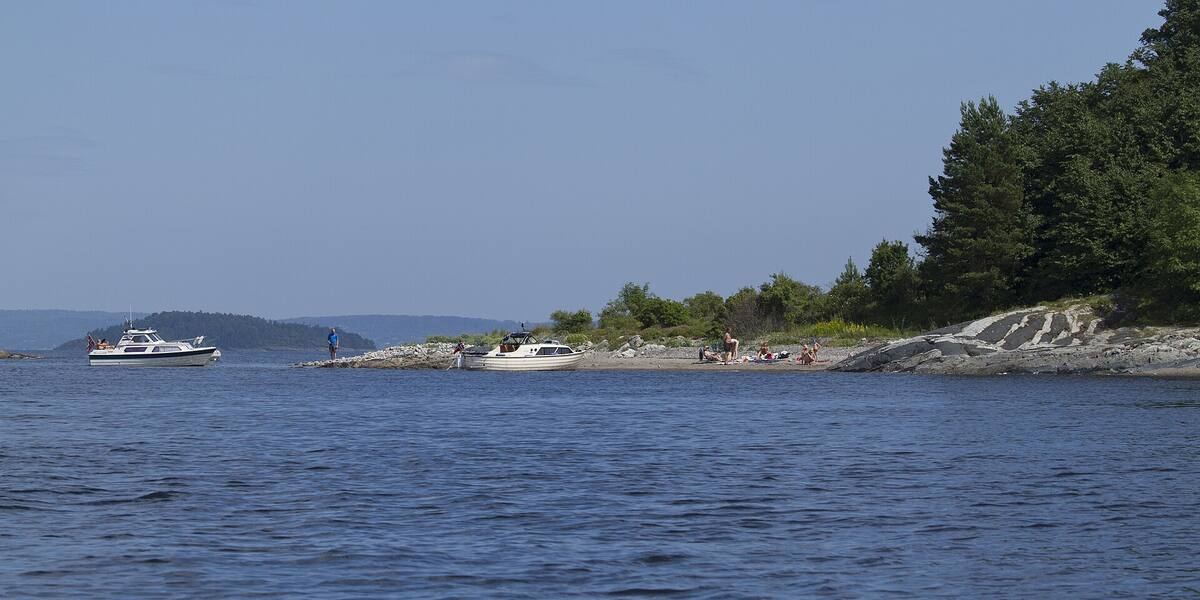
Mølen is at the outer edge of the Hurum peninsula, in what used to be Hurum and is now Asker. Keep well off during the nesting season. There are seabird colonies on the north, east and south sides, and harbour seals hauled out on the island and the skerries around it. From the water you see warmth-loving broadleaf woodland running right down to the stony shore. Landing is banned from 15 April to 15 July.
Mølen nature reserve (established 1977), access banned 15 April–15 July. The boundaries and the rules are in Naturbase, and they are worth checking before you land anywhere outside the marked areas.
private boat; landing banned 15 April–15 July (seabirds).
No scheduled boat comes here. You will have to find the nearest public quay yourself, and the rest is your own boat or a kayak. Check the wind and wave forecast before you set out. The open stretches in the outer fjord turn unpleasant in a fresh breeze.
Mølen was protected as a nature reserve on 9 December 1977. The reserve covers 18.4 hectares (184 dekar) and takes in the whole island. Its value rests on two things: one of the richest plant communities in the country, and large bird colonies.
The flora is unusually rich, with around 400 recorded species. The abundance comes from a warm local climate and lime-rich soil formed from shell sand in marine deposits. Warmth-loving broadleaf woodland grows here, with elm and lime, and rarities such as mistletoe. Mølen also has a striking cobble beach, the stones carried here from large parts of eastern Norway by the inland ice.
Mølen is protected ground with no permanent settlement or installations. Seabirds nest along the north, east and south sides: greylag goose, eider, cormorant and gull. A colony of harbour seals keeps to the island and the nearest skerries. Through the summer the island belongs in practice to the birds and the seals.
The only way here is by private boat. Landing and all movement on land are banned during the nesting season, from 15 April to 15 July. The ban is a conservation rule and legally binding. Outside the nesting season the other reserve rules apply: all vegetation is protected and nothing may be picked. Check the current regulations before going ashore.
With around 400 plant species on one small island, this is among the richest sites in the country, and it is the lime and the warmth that do it. Mistletoe, which most people associate with Christmas, grows wild here.
The cobbles on the beach are not local. The inland ice carried them here from large parts of eastern Norway and left them behind as it withdrew.
The harbour seals on the skerries share the ground with the nesting birds. That is one reason the access ban from April to July is as strict as it is.
Oslo Sea Experience passes Mølen on its private fjord trips from Tjuvholmen.
The Norwegian version notes which facts were taken from each source: Mølen på norsk.